

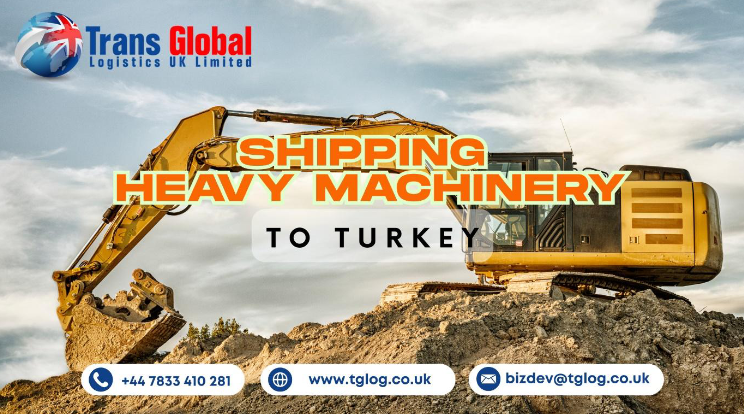
Turkey has become a major hub for construction, infrastructure, mining, and industrial projects, creating strong demand for the import of heavy machinery. Whether you are relocating equipment for a long-term project or supplying machinery for a one-off contract, shipping oversized cargo requires careful planning, technical expertise, and a clear understanding of Turkish regulations. This guide explains how to transport heavy machinery to Turkey efficiently and compliantly.
Understanding Heavy Machinery Shipping
Heavy machinery includes excavators, bulldozers, cranes, loaders, agricultural machines, and industrial plant equipment. Due to their size, weight, and value, these units require specialised Heavy Equipment Transport solutions rather than standard freight services. Proper route planning, lifting equipment, and secure loading methods are essential to avoid delays or damage.
Import Regulations in Turkey
Turkey enforces strict customs and transport regulations for heavy machinery imports. Importers must ensure that equipment complies with Turkish customs requirements and safety standards.
Key considerations include:
Machinery must be declared with accurate weight, dimensions, and value
Import licences may be required depending on the machine type and usage
Used machinery may be subject to additional inspections
Temporary imports for projects may qualify under special customs regimes
Working with an experienced logistics provider ensures that Heavy Equipment Transport is carried out in full compliance with Turkish law.
Required Documentation
Correct documentation is critical for smooth customs clearance. Commonly required documents include:
Commercial invoice
Packing list with exact dimensions and weight
Bill of Lading (for sea freight) or CMR (for road transport)
Certificate of origin
Import license (if applicable)
Insurance certificate
Any discrepancies in paperwork can lead to port delays, storage charges, or customs inspections.
Transport Methods for Heavy Machinery
Choosing the correct transport method depends on machinery size, urgency, and project timelines.
Sea Freight
Sea freight is the most common option for international Heavy Equipment Transport into Turkey. Machinery is typically shipped as:
Roll-on/roll-off (RORO) cargo for self-propelled equipment
Flat rack or open-top containers for oversized machinery
Breakbulk cargo for extremely heavy or irregular units
Major Turkish ports such as Istanbul, Izmir, and Mersin are well equipped to handle heavy cargo.
Road Transport
Road transport is often used for deliveries from Europe or as an inland solution after port arrival. Special low-bed trailers and escort vehicles may be required for oversized loads, particularly when navigating Turkish highways and city routes.
Key Challenges and How to Overcome Them
Shipping heavy machinery presents unique challenges, including route restrictions, lifting requirements, and customs coordination. These risks can be mitigated through:
Advance route surveys
Professional loading and lashing
Accurate weight distribution calculations
Local coordination with Turkish port and road authorities
Experienced planning is the foundation of successful Heavy Equipment Transport operations.
Final Thoughts
Shipping heavy machinery to Turkey is a highly specialised process that demands expertise, regulatory knowledge, and precise execution. From documentation to delivery, every stage must be carefully managed to ensure safety, compliance, and cost control. By choosing a logistics partner with proven experience in Heavy Equipment Transport, businesses can focus on their projects with confidence, knowing their machinery will arrive on time and in optimal condition.
Trans Global Logistics UK Limited, International Shipping & Logistics Company with 30 years of experience, will be able to offers several services for your Yacht and Boat Transport / Customs Clearance / Import and UK Vehicle Registration to confidently support your shipment in either Import or Export for any type of equipment.
Contact us at Trans Global Logistics UK Limited – bizdev@tglog.co.uk – phone 07833 410 281 www.tglog.co.uk